

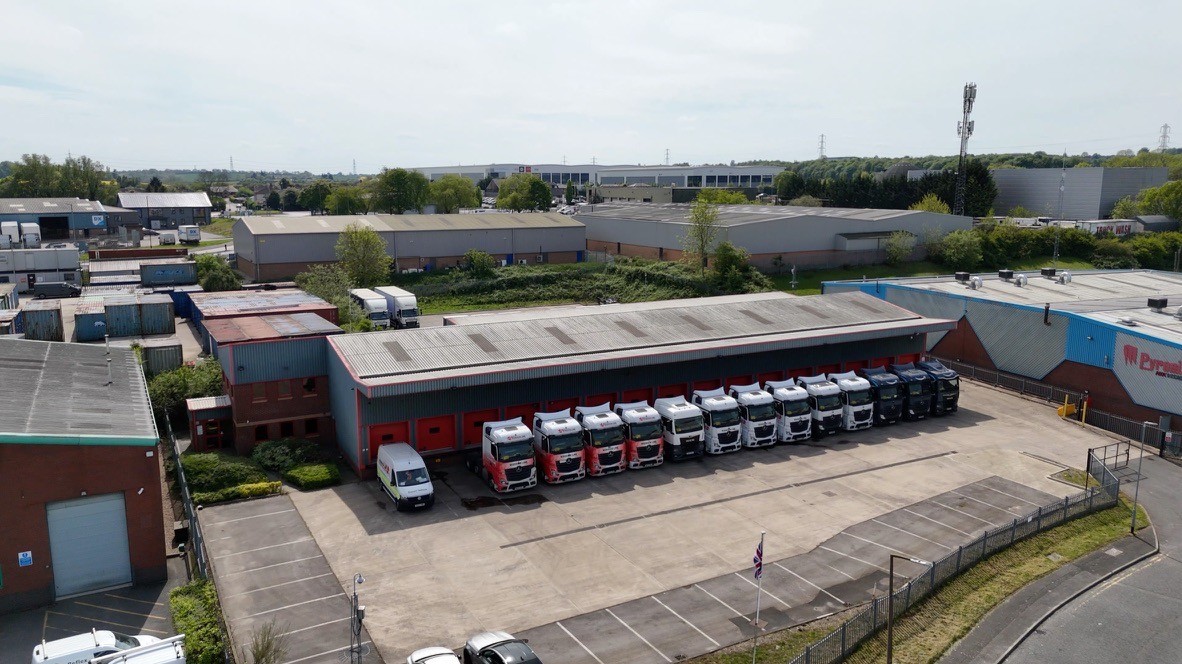

Artificial intelligence is changing the way businesses operate, and logistics is no exception. Here, our MD, Lee Hollingworth, shares his views on how AI is changing the logistics sector.
The adoption of AI across UK logistics businesses has grown significantly. Research from HERE’s ‘On the Move’ study found that 50% of UK logistics companies were already using data analytics in supply chain management, while only 19% had deployed AI to support automated decision-making, real-time tracking and predictive maintenance.
Despite the slow adoption of AI in the UK logistics sector, it can analyse huge amounts of information quickly, helping planners identify more efficient routes, make better use of vehicle capacity and optimise loads by calculating space and load capacity and ensuring safe weight distribution. It can also help businesses respond to changing conditions, reduce unnecessary mileage and make decisions based on data rather than assumptions – which can make a real difference to the success of a logistics firm.
Where I think businesses need to be careful is in assuming that AI can make every decision for them.
Logistics rarely goes exactly to plan. A customer may change a delivery window, roads may close, or a driver may identify a problem that isn't visible in the data. This is where experience matters, and business operators cannot rely on AI to solve these issues for them.
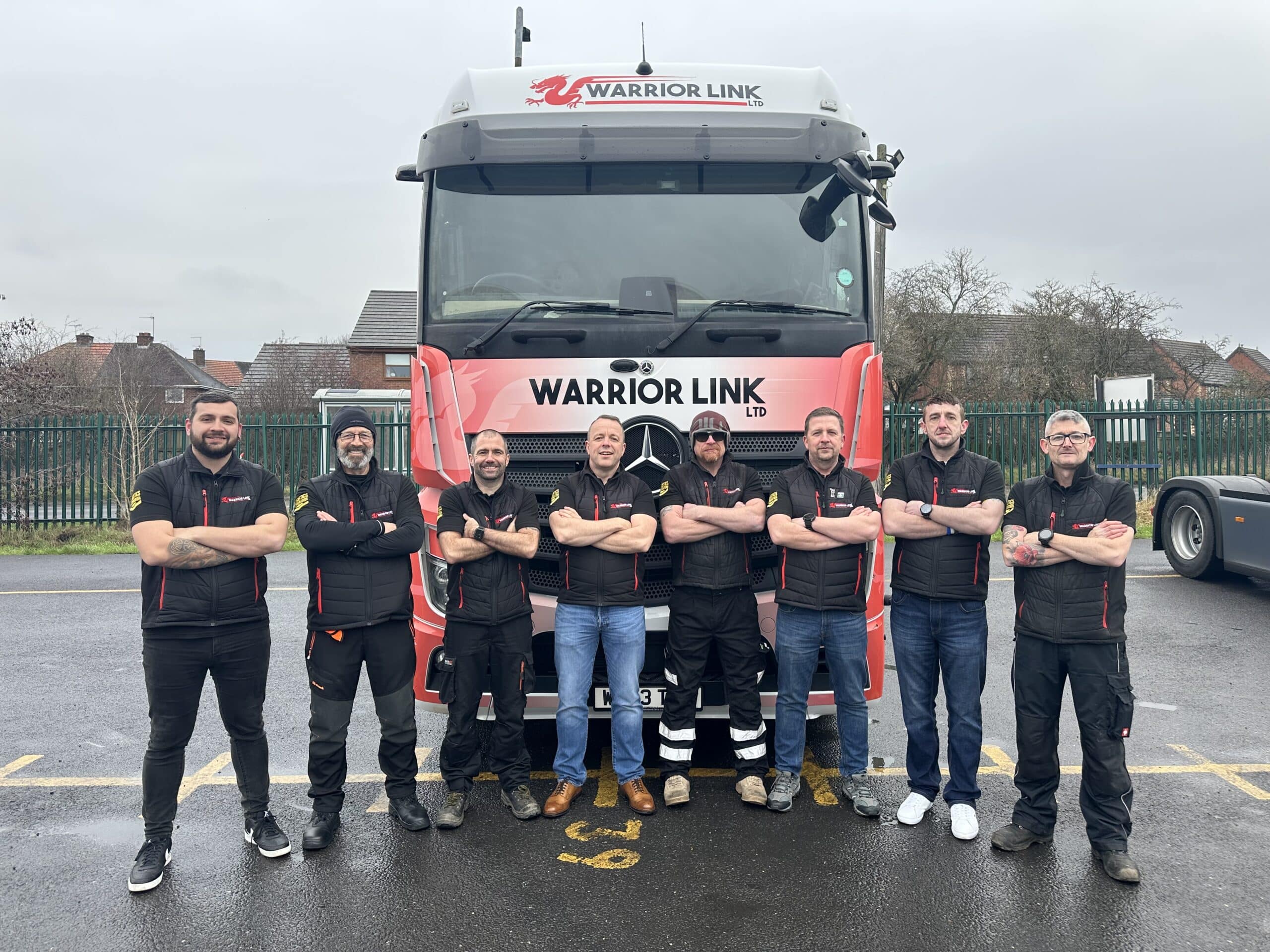
Warrior Link is veteran-led, and we have more than 24 years of combined logistics experience behind our team. That experience has taught us that good logistics is about good communication, personal judgement, accountability and understanding what a customer actually needs.
Technology can give our people better information, but it cannot replace that judgement. That is why our approach is to use AI technology where it makes us better, while continuing to put our people at the centre of what we do.

AI-powered dashcams demonstrate how technology can support people rather than replace them. Unlike a traditional dashcam that records what happens, an AI dashcam can identify behaviours such as mobile phone use, distraction, harsh braking, swerving, and provides alerts in real time. It can also categorise incidents so fleet managers can identify patterns and to support driver coaching.
The potential financial impact is significant. A recent FleetCam survey highlighted 58% of fleets received a reduction in insurance premiums after introducing dashcams, while Samsara has reported that some fleets saw accident-related costs fall by as much as 86% following the introduction of AI dashcams.
Drivers’ concerns about “being watched” by AI-powered dashcams are understandable and should not be dismissed. Clear education and transparent policies can explain what is recorded, how footage is used, who can access it, and how long it is retained. While privacy expectations in the workplace must be balanced with operational responsibilities, road safety remains paramount. For me, this technology should be used as a tool for improving driver safety and supporting our teams, rather than monitoring them.
I don't think the future of logistics is AI versus people. I think we need to learn how to adopt AI in a way that elevates business, while supporting the people that drive the real success of logistics operations.
The businesses that get the most from AI will be those that understand where technology adds value and where human experience remains essential.
At Warrior Link, we will continue to invest in technology that makes our operation safer, smarter and more efficient. But our people will remain at the heart of our business.
To find out more about Warrior Link, and how we can keep your business moving, get in touch with our team today.
Fill out the form below and we'll get back to you shortly.


